Independent buying assessment
Viviebikes Review: Budget Electric Bikes That Still Pass UL2849
A practical look at what Viviebikes sells, how its lineup is structured, and where the budget pricing still holds up for US riders.
Why Viviebikes keeps coming up in budget e-bike searches
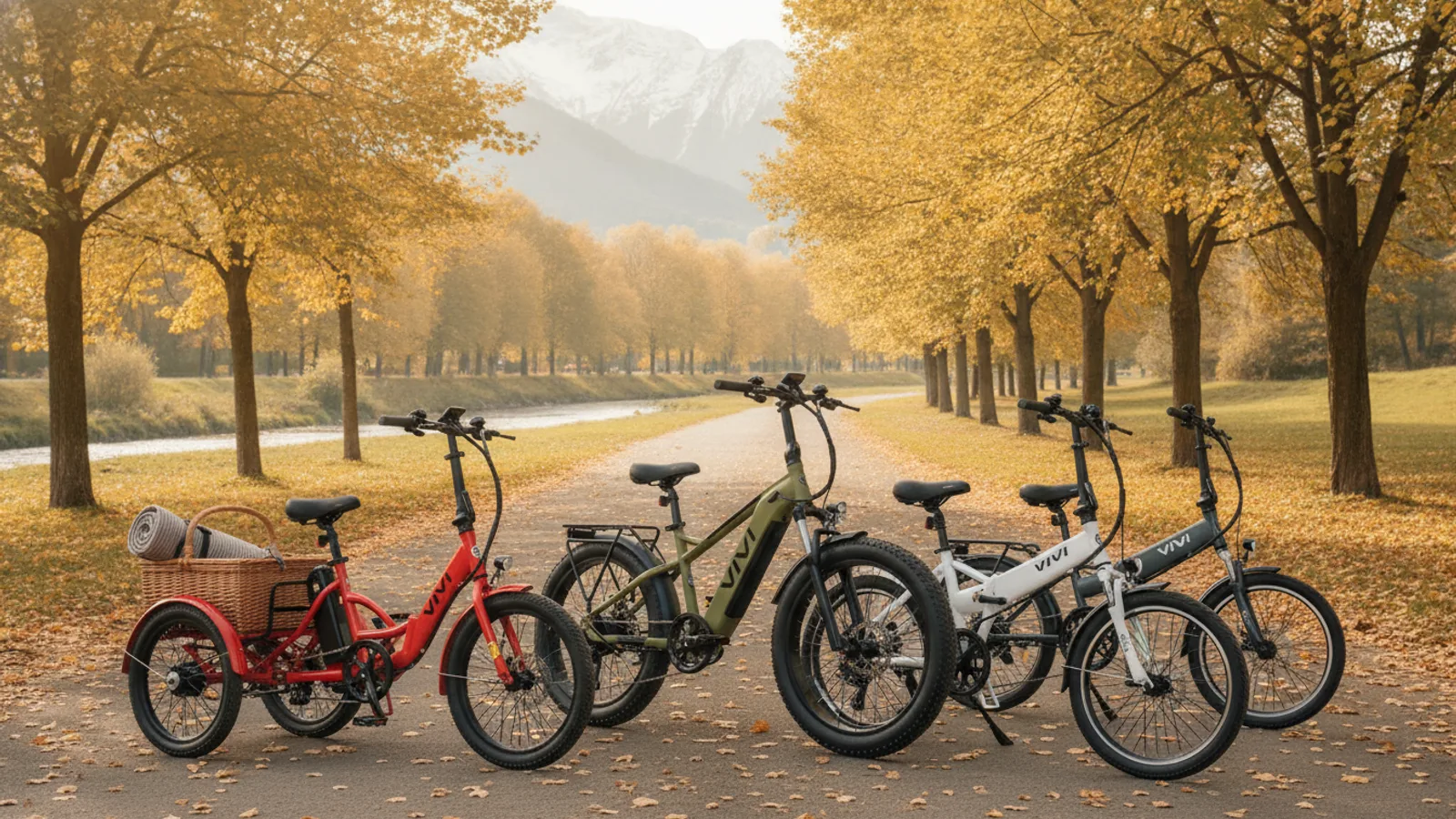
If you have been shopping for an electric bike under the mainstream price bands, Viviebikes is one of the names that surfaces again and again. The brand sells direct through viviebikes.com, which is why the same models can appear far cheaper than comparable e-bikes in a local shop.
The catalog is wide rather than deep: mountain e-bikes, commuter and city models, fat-tire bikes, folding e-bikes, cruisers and cargo bikes, plus a separate line of electric trikes. There are also in-house accessories, replacement parts and spare batteries, so you are not hunting third-party sources for a controller or a display later on.
One detail matters more than the price tag in the US market. Viviebikes states its e-bikes are SGS certified to UL2849, the safety standard now widely referenced by US insurers, landlords and city regulators. For a budget-direct brand, that is the single most useful trust signal on the page.
This review covers how the brand actually works as a purchase: shipping speed, warranty structure, model fit and the trade-offs you accept in exchange for the lower price.
Verdict in short
Viviebikes is a sensible choice if your priority is a low entry price, a fast US delivery window and a lineup broad enough to match a specific use case, such as a folding bike for an apartment, a fat-tire bike for mixed terrain or an e-trike for stability.
The brand deserves attention for two concrete reasons: UL2849-certified batteries and electronics rather than an unverified generic pack, and a parts catalog that covers motors, controllers, displays, batteries and chargers directly from the manufacturer.
Where it earns less praise is in the absence of published motor torque figures, real-world range data and independent long-term reliability reporting, which means budget the same as you would for any direct-to-consumer e-bike: expect to handle assembly, expect to adjust derailleurs and brakes yourself, and expect local bike shops to vary in how much service they will take on.
Overall, this is a strong budget pick rather than a premium one. Buy it to get riding affordably and safely certified, not to match the refinement of high-end mid-drive bikes.
Quick review
Quality: 4.0 / 5.0 - UL2849-certified electrical systems, solid frame construction, and mixed-grade components typical of the price band.
Ease of assembly: 3.5 / 5.0 - mostly pre-assembled, but expect to fit the front wheel, handlebar, pedals and to fine-tune brakes and gears.
Performance: 4.0 / 5.0 - hub motors suit commuting, errands and light trail use; sustained steep climbing is not the strong point.
Range and battery: 3.5 / 5.0 - no independent range testing published, so treat manufacturer figures as best-case and plan around a realistic 20-40 mile spread depending on mode and rider weight.
Support: 3.5 / 5.0 - US phone line, email support and a large help center, but response quality can vary and there is no nationwide service network.
Value for money: 5.0 / 5.0 - the main reason to buy, especially on 26-inch and folding models.
Overall: 4.0 / 5.0 - a credible budget e-bike brand with a real safety certification and a full spare-parts channel.
Strengths and drawbacks
What works in its favor
- UL2849 certification through SGS, stated for the e-bike range.
- Free shipping with a stated 2-7 day delivery window in the US.
- Folding, fat-tire, commuter, mountain, cruiser and cargo categories in one place.
- A separate electric trike line, including cargo and family models.
- Direct sales of batteries, motors, controllers, displays and chargers.
- Customer support by phone and email with a large self-service help center.
- Financing available, which lowers the upfront cost further.
- A $30 newsletter discount for first-time buyers.
- Detailed assembly videos and owner manuals published online.
Where it falls short
- No published torque, motor wattage consistency or verified range data across models.
- No independent long-term reliability testing to lean on.
- Local bike shop willingness to service direct-to-consumer e-bikes varies widely.
- Assembly and initial tuning are the buyer’s responsibility.
- Warranty and return terms need to be read closely, since direct brands often exclude wear items and shipping costs.
- High-end ride feel, suspension quality and brake hardware are not at premium-brand level.
What Viviebikes actually is
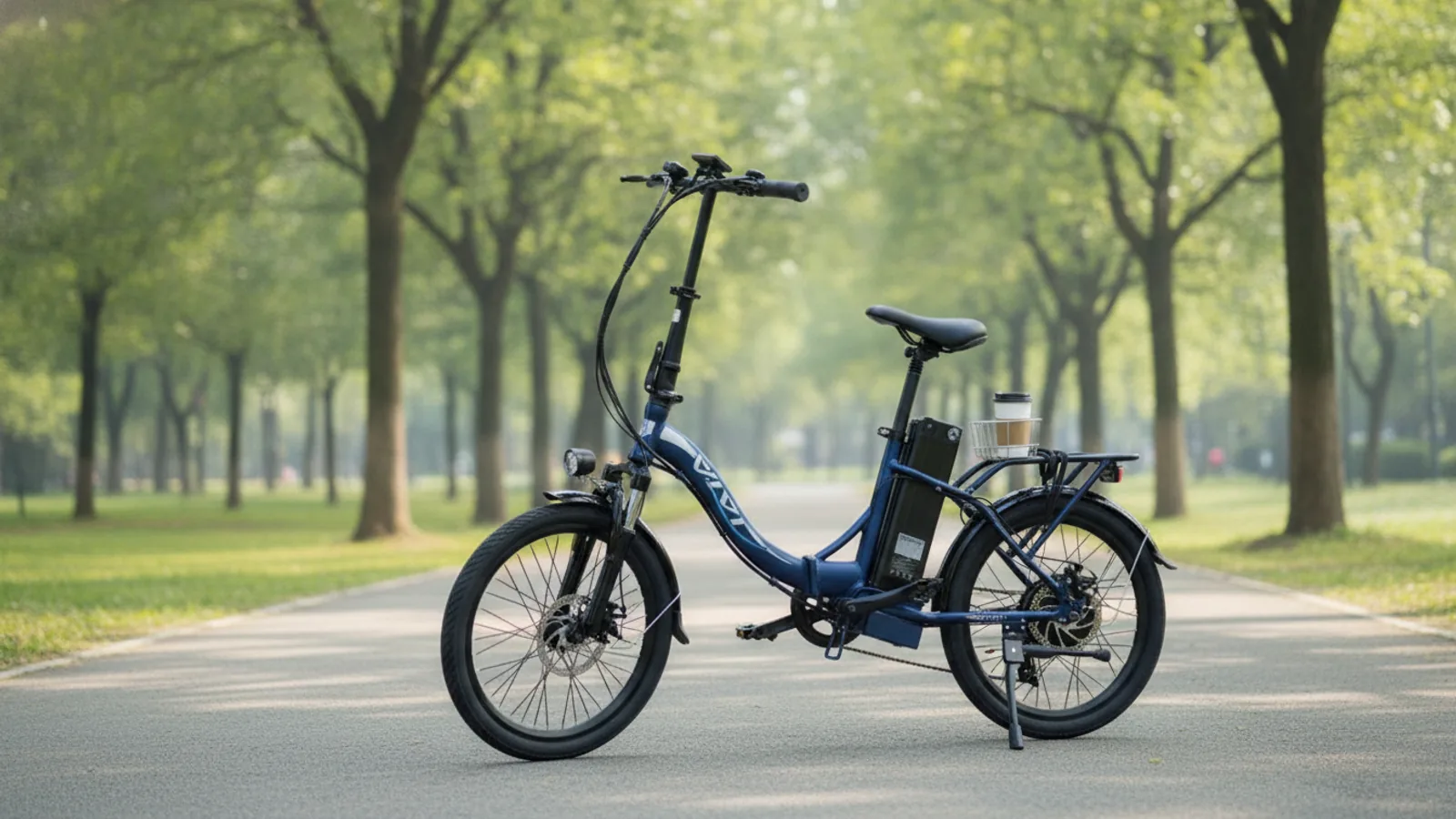
Viviebikes, often shortened to VIVI, is a direct-to-consumer electric bike brand selling through viviebikes.com rather than through a dealer network. The product range splits into three main groups.
First, electric bikes: mountain, commuter, city, cruiser, fat-tire, folding and cargo models, available in step-thru and high-step frames and in mini, 20-inch, 26-inch and 27.5-inch wheel sizes.
Second, electric trikes: commuter, cargo and family three-wheelers, including the T01, FatGo1 and FAM01 models, offered in 18-inch and 20-inch fat-tire configurations.
Third, the aftermarket ecosystem: helmets, gloves, knee pads, locks, lights, racks, baskets and a deep replacement-parts catalog covering everything from spokes and brake pads to full wheel sets and battery packs.
Because the brand sells direct, the pricing model is lean. That is the core proposition: fewer middlemen, more of the budget going into battery capacity and motor size instead of showroom overhead.
What sets Viviebikes apart from other budget e-bike brands
Most low-cost e-bike brands on marketplaces compete almost purely on price, and safety documentation is an afterthought. Viviebikes does the opposite in one specific way: it leads with UL2849 certification and free US shipping with a stated 2-7 day delivery window.
UL2849 is the standard that covers the electrical system of an e-bike, including the battery, charger and motor controller. It is increasingly what insurers, apartment buildings and employers ask about. A budget brand that can answer that question has an advantage over listings that cannot.
The second differentiator is the spare-parts channel. A folding bike or an e-trike that cannot be repaired is a disposable purchase. Being able to order a replacement battery, controller, display or motor directly from the brand keeps a budget e-bike usable for years.
The third is category breadth. Commuter, folding, fat-tire, mountain, cruiser, cargo and three-wheel options under one roof means you can match the bike to the job rather than force a compromise model to do everything.
What Viviebikes does not differentiate on is ride refinement. If you want a torque-sensing mid-drive with premium suspension and hydraulic brakes, this is not the brand to shop.
Scoring breakdown
Safety and certification: 4.5 / 5.0 - UL2849 certification through SGS is a clear, verifiable commitment for a budget brand.
Build quality: 3.8 / 5.0 - frames hold up well for the price; component tier is entry-level and will need periodic adjustment.
Motor and ride feel: 3.8 / 5.0 - hub-drive power is well suited to commuting, errands and flat-to-rolling terrain; steep sustained climbs are a weakness.
Battery and charging: 4.0 / 5.0 - generous capacity options for the price, with a stated 760 W battery available on 26-inch models. No independent range verification exists.
Comfort and fit: 3.8 / 5.0 - step-thru, high-step, cruiser and folding frame options cover most riders; suspension quality varies by model.
Shipping and delivery: 4.5 / 5.0 - free shipping with a stated 2-7 day window is fast for this category.
Customer support: 3.5 / 5.0 - phone, email and a deep help center, but no nationwide repair network.
Value: 5.0 / 5.0 - the strongest score, especially on folding and 26-inch models.
Overall: 4.0 / 5.0 - a budget brand that gets the fundamentals right and the premium details wrong, which is the correct trade for most buyers at this price.
Who should consider Viviebikes
First-time e-bike buyers who want to try electric riding without a four-figure commitment.
Commuters on flat-to-rolling routes where a hub motor is entirely sufficient.
Apartment and small-home residents who need a folding model that stores in a closet or fits in a car trunk.
Riders who want a fat-tire bike for beach, gravel and light trail use at a fraction of premium fat-bike pricing.
Shoppers comparing a 26-inch e-bike with a large battery to mainstream models at two to three times the price.
Older riders or anyone prioritizing stability, who will get more confidence from the three-wheel e-trike range.
Practical owners who value being able to order a replacement battery or controller directly from the brand.
Buyers who specifically need UL2849 documentation for insurance, a lease or a building policy.
Who should look elsewhere
Riders who want premium suspension travel, hydraulic brakes and a torque-sensing mid-drive motor.
Anyone planning long, steep, sustained climbs where hub-drive thermal limits become a real constraint.
Buyers who want local dealer service, same-day repairs and in-person test rides before purchasing.
Tandem or heavy-cargo riders exceeding the stated weight limits on standard models.
Riders who do not want to assemble or maintain a bike and would rather pay a shop for everything.
Serious mountain bikers who need genuine trail-rated geometry and components.
Shoppers who require independently verified real-world range figures before buying.
How this review was put together
This assessment is based on the manufacturer’s published product information, category structure, stated certifications, support channels, shipping and warranty policies, and the parts ecosystem as listed on viviebikes.com at the time of writing.
No hands-on riding, lab testing or in-person store visits were performed for this review. No motor output, range or durability figures have been independently verified here.
Ratings reflect how the brand positions itself against comparable direct-to-consumer e-bike brands in the US market: whether the safety certification exists, whether the bike can be repaired, how fast it ships, and what the buyer gives up in exchange for the price.
Where manufacturer claims are used, they are labeled as stated claims. Where no independent data exists, that gap is identified rather than filled with an estimate.
Buying advice before you order
Match the bike to your terrain first. A hub-drive commuter or folding bike is excellent on flat and rolling routes; if your daily ride includes long, steep climbs, expect the motor to work hard and consider a different category of bike entirely.
Check the battery capacity against your real commute distance, then subtract a generous margin. Treat advertised range as best-case, since rider weight, hills, wind, assist level and temperature all reduce it.
Confirm the UL2849 certification on the specific model page you are buying, not just the brand homepage. Certification is stated for the e-bike range, so verify it appears for your chosen model before checkout.
Read the warranty and return policy carefully, including who pays return shipping and which parts are excluded as wear items.
Plan for assembly. Most direct-to-consumer e-bikes arrive largely assembled but need the front wheel, handlebar, pedals and a brake and derailleur check. Budget either an afternoon or a local shop fee.
Use the newsletter signup for the $30 first-purchase discount before ordering, and check whether financing terms make sense for your budget.
Grab a spare tube, a basic tool kit and a lock at the same time. Buying them with the bike avoids a second shipping wait.
If storage space is tight, prioritize the folding models. If stability is the concern, look at the e-trikes instead of a two-wheeler.
Final verdict
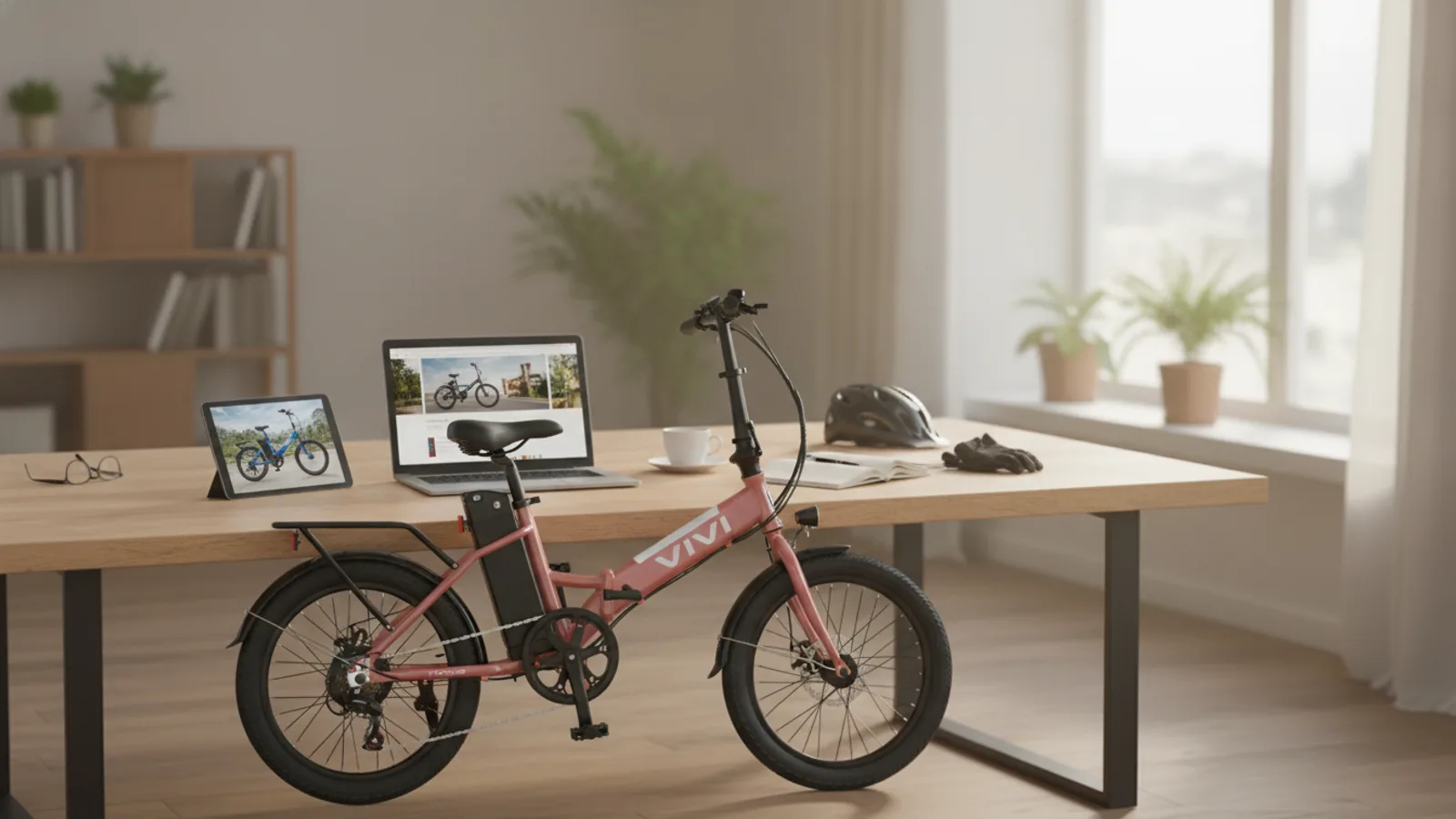
Viviebikes is a legitimate budget option for US buyers who want a certified, repairable electric bike without paying premium-brand prices. Its strongest points are UL2849 certification, free shipping with a stated 2-7 day window, a wide category range including folding bikes and e-trikes, and a direct parts and battery channel that keeps the bike serviceable.
Its limitations are equally clear: no independent range or durability data, entry-tier components, assembly on you, and no dealer service network. Those are the standard trade-offs at this price point, not unique failures.
If you want an affordable first e-bike, a folding commuter, or a fat-tire bike for casual terrain, Viviebikes earns a solid recommendation at 4.0 / 5.0. If you need premium ride quality, verified range figures or local service, budget higher and shop elsewhere.
Frequently Asked Questions
Are Viviebikes electric bikes UL certified?
Viviebikes states that its e-bikes are SGS certified to UL2849, the standard covering the electrical system. Verify the certification on the specific model page before ordering, since claims are made for the e-bike range as a whole.
How fast does Viviebikes ship in the US?
The brand advertises free shipping with a stated 2-7 day delivery window within the US. Actual timing can vary by model availability and destination.
Are Viviebikes bikes good for beginners?
Yes, for flat and rolling terrain. They are affordable, mostly pre-assembled and available in step-thru and folding frames. Expect to finish assembly and tune the brakes and gears yourself, or pay a local shop to do it.
Can you buy replacement batteries and parts for Viviebikes?
Yes. Viviebikes sells batteries, chargers, motors, controllers, displays and other replacement parts directly through viviebikes.com, which helps keep the bike repairable over time.
Hotgingerweb may earn a commission when readers use affiliate links. Editorial context, caveats, and reader fit come before partner placement.